Business Name: FootPrints Home Care
Address: 4811 Hardware Dr NE d1, Albuquerque, NM 87109
Phone: (505) 828-3918
FootPrints Home Care
FootPrints Home Care offers in-home senior care including assistance with activities of daily living, meal preparation and light housekeeping, companion care and more. We offer a no-charge in-home assessment to design care for the client to age in place. FootPrints offers senior home care in the greater Albuquerque region as well as the Santa Fe/Los Alamos area.
4811 Hardware Dr NE d1, Albuquerque, NM 87109
Business Hours
Monday thru Sunday: 24 Hours
Facebook: https://www.facebook.com/FootPrintsHomeCare/
Instagram: https://www.instagram.com/footprintshomecare/
LinkedIn: https://www.linkedin.com/company/footprints-home-care
Families seldom plan for a tipping point. It shows up anyhow. A fall on the porch steps. A change in memory that makes driving unsafe. A hospitalist who uses the phrase "requires assistance in the house." That is normally when adult children and spouses find themselves between at home senior care and assisted living, attempting to translate medical notes into a living arrangement that maintains dignity without draining pipes cost savings. Layer in power of lawyer, HIPAA releases, capacity assessments, and long-term care insurance paperwork, and the option stops feeling like a choice at all.
I have sat at kitchen area tables with piles of discharge documents and crumpled medication lists. I have walked adult children through court filings and listened to moms and dads describe why they are not prepared to leave the home they developed. The legal and paperwork side typically figures out how smoothly care starts, no matter which setting you select. What follows pulls together the useful steps that lower friction, lower danger, and help you move at the speed of your family's needs.
Two care courses, various scaffolding
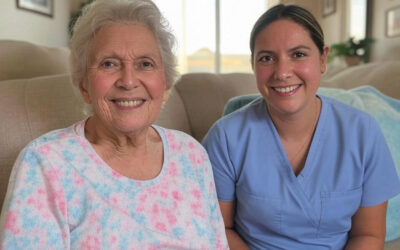
In-home care brings a caregiver into the home for a few hours to full-time coverage. It varies from friendship and meal prep to help with bathing and transfers. Some agencies also provide restricted nursing under doctor orders. Assisted living is a residential model with private apartment or condos, meals, housekeeping, activities, and personnel readily available around the clock. It is not a nursing home, although lots of structures can handle moderate medical complexity with medication administration and coordination with outside providers.
The concern is not which one is "much better," but which one now, given the health profile, social choices, finances, and household bandwidth. A stroke survivor with rehab capacity may do well at home with a home care service that can staff days while family covers nights. Someone with advancing dementia who wanders in the evening and requires cueing for all activities might be safer in assisted living with secured access. Both paths can be gentle and high quality. Both likewise featured legal documentation that either opens services or causes hold-ups if missing.
Capacity is the hinge
Before you choose who signs what, you need a clear view of decision-making capacity. Capability is task-specific and time-specific. A person may have the ability to decide what to use and what to consume, yet not understand the risks and advantages of a 24-hour care strategy or a center agreement. You do not need a court hearing to develop daily capability. A treating doctor, nurse specialist, or psychologist can record it in the medical record, frequently with a short cognitive assessment and a note specifying whether the patient can make informed choices about living arrangements, finances, and healthcare.
Where families get stuck is confusing capacity with contract. A parent may clearly understand the plan and still refuse it. That is their right if they have capacity. If they do not, you need the authority to move forward, and in many states that authority comes from formerly signed powers of lawyer or a court-appointed guardian.
When possible, ask the primary care clinician to write a plain-language letter summarizing capability as it relates to residence, healthcare choices, and finances. This single file can smooth admission to assisted living, accelerate long-term care insurance permissions, and assure hesitant siblings that you are not pushing past someone's rights.
Power of attorney, discussed without jargon
A durable power of lawyer for financial resources lets a designated representative handle money matters if the individual becomes incapacitated or, depending upon how it is composed, even before that with consent. A healthcare power of attorney (often called a health care proxy) names someone to make medical decisions if the person can not. Both must be signed while the person still has capacity. Notarization and witnesses may be needed depending on state law. Estate planning attorneys prepare them, however many states provide basic forms that are completely acceptable.
These documents are not about control. They have to do with continuity. Picture the day you need to pay the residential or commercial property insurance costs, send a home care claim to the long-term care insurance coverage provider, or talk with a hospitalist about a transfer to assisted living respite care. Without the best legal authority, you will invest days chasing forms while the discharge clock runs out.
If powers of lawyer are not in place and capability has actually already slipped, you may require a court-appointed guardian or conservator. That process takes weeks to months, needs filings and hearings, and can feel intrusive. It is likewise often the right tool. A guardian makes personal and medical choices. A conservator deals with financial matters. In practice, judges frequently customize the order to what is needed and no more. If you reach this point, work with an elder law lawyer with guardianship experience and keep expectations grounded. Courts move at their own pace.
HIPAA releases and who can talk with whom
Healthcare service providers require permission to share details with household. A HIPAA authorization, preferably on each provider's form, names who can receive info. It does not approve decision-making power. It simply opens the door to discussion and records.
In the health center, ask the unit clerk or nurse for a HIPAA release and have it signed while your member of the family is alert and prepared. At primary care, do the same. For assisted living admissions, neighborhoods usually request a copy so they can collaborate with physicians. For in-home care, agencies generally ask for it during consumption. Without it, you may discover yourself guessing about medication changes, test outcomes, or discharge timing.
How in-home care works when the documents is ready
Imagine you select senior home care, at least to begin. Your parent wants to stay put, and you believe it can be ensured. You will require a home security evaluation, set up shifts, and a caretaker match that appreciates character and routines. The legal backbone looks light compared with assisted living, but it still matters.
Agencies will ask for the following: the service agreement, a HIPAA release, emergency contacts, medication lists, and a plan for access to the home. If you are using long-term care insurance coverage, they will require the policy details, removal period, and any benefit triggers. Most policies need that a certified company provide care, that the person requires help with at least two activities of daily living or has cognitive disability, and that a plan of care is on file. The insurance company will send out types, sometimes lengthy. Designate somebody to finish and track them. A single missing out on signature can postpone reimbursement for months.
Do not avoid the caretaker interaction strategy. Write down preferred names, daily schedule, favorite foods, and understood triggers. It helps the senior caregiver build trust rapidly. Throughout the first two weeks, be available by phone and come by unannounced at least as soon as. You are not policing the caregiver. You are adjusting the strategy. Little tweaks early avoid bigger concerns later.
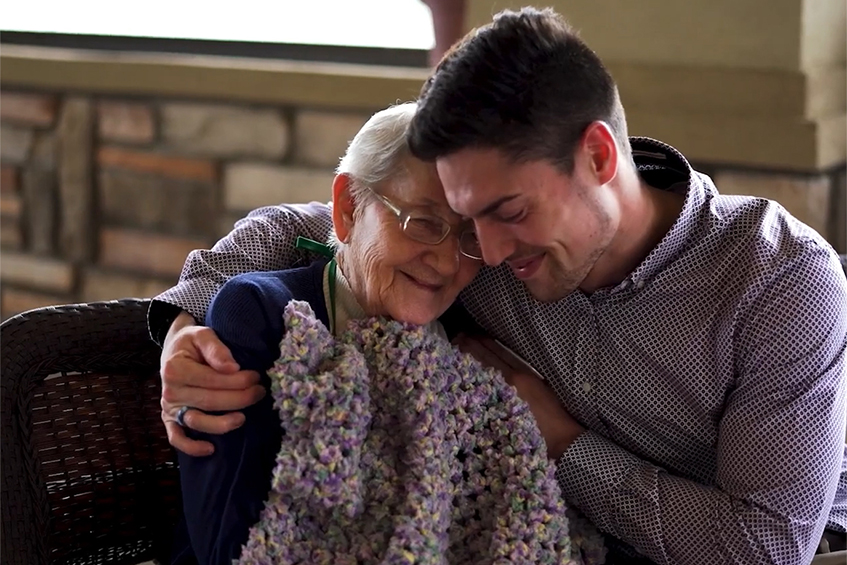
If member of the family are paying privately, financial power of lawyer permits the representative to sign the company agreement and manage payments from the person's funds. Without it, firms might demand the adult kid finalizing personally, which can blur financial boundaries. Choose who signs and how invoices will be paid before the very first shift.
How assisted living admissions differ
Assisted living is part health service, part housing. That means a much heavier paperwork lift at admission. Anticipate an evaluation by the neighborhood nurse, a physician's report, a TB test or screening, medication orders, a copy of the healthcare power of attorney, a HIPAA release, and a monetary contract. If the neighborhood handles medications, they will require pharmacy coordination and frequently require medications blister packed or offered through their contracted drug store. Start this procedure a week or more ahead of time if possible.
Capacity declarations handle more weight here. If your parent withstands the relocation, the community will try to find who has legal authority to sign the residency agreement and the service plan. Some states need the resident's signature unless a physician has documented absence of capability. Others accept the representative under a healthcare power of attorney or a guardian's order. Communities vary, so ask early.
Families frequently stress over the space and board contract. Read it line by line. Try to find base rate, care level fees, medication management charges, and policies on rate changes. Clarify what occurs if your parent's needs increase. Does the neighborhood discharge if they need two-person transfers? Will they accept insulin injections? Request for those responses in writing or in the service plan.
Money maps the options
Budgets are not cold. They are borders that keep everyone truthful. In-home care expenses switch on hours. In many regions, firms charge in the range of 28 to 45 dollars per hour. Twenty-four hour protection with awake personnel can exceed 18,000 dollars a month, sometimes more, which generally exceeds assisted living. Light protection, say 6 to 8 hours a day, can be cost-effective if household fills the rest. Practical compromises typically involve adding innovation like fall detection, a medical alert system, and movement sensing units to extend safety in between shifts.
Assisted living pricing generally packages rent, meals, and fundamental services, with tiered care charges. National averages hover around 4,500 to 6,500 dollars each month, however metropolitan markets can run higher, and memory care wings include another 1,000 to 2,500. Veteran benefits, long-lasting care insurance coverage, and in some states Medicaid waivers can offset expenses. Each payer has its own evidence requirements. Keep a file with the policy, benefit sets off, medical professionals' notes, billings, and bank statements. When auditors request documents, you will not be backfilling under stress.
Be alert to who is personally guaranteeing agreements. Lots of adult kids indication as "accountable party" without understanding some kinds suggest personal liability for unsettled quantities. Cross out language you do not accept, preliminary, and request an updated copy signed by the neighborhood. It is a settlement, not a diktat.
Documentation that prevents future fires
You do not require a library's worth of documents. You require a thin stack that is existing, readable, and available. I inform households to keep physical copies in a binder and digital scans in a shared drive. Label files with dates and clear names: "HCPOA signed2022-04-15. pdf," "DrJensen capacityletter _ 2025-01-08. pdf." When the emergency situation department calls at 9 p.m., you do not wish to hunt through cam roll in-home senior care footprintshomecare.com photos.
Consider this short list for both paths:
- Current medication list with dosages, schedule, allergic reactions, and prescribing clinicians, updated after every visit. Signed HIPAA authorizations for medical care, key specialists, and any health center system you utilize most. Healthcare and financial powers of attorney, plus living will or advance directives. Insurance cards, long-term care policy information, and Social Security and Medicare numbers kept firmly with limited access. Names and contact details for the care group: medical care, neurologist or cardiologist if appropriate, home care agency supervisor, assisted living nurse, and preferred hospital.
Those 5 items cover 90 percent of the demands you will field. Contribute to the binder a one-page summary of medical diagnoses, baseline function, and emergency choices. Keep it blunt and beneficial, not poetic. Hectic ER personnel will thank you.
When brother or sisters disagree
Families do not become different individuals since a parent needs care. Existing dynamics appear under pressure. The cleanest method to minimize conflict is to connect decisions to the person's specified preferences and their legal documents. If your mother named you as health care agent, follow her wishes and document how you are honoring them. Share updates consistently. If you can not agree on a course, a neutral third party assists. Geriatric care managers, medical facility social workers, and elder mediators speak both medical and household. They can reframe "you're abandoning dad" into "we all want him safe, let's examine the risks and what he said he desired."
In particularly tense situations, ask the doctor to host a family conference. A clear medical voice can reset focus. Bring the capability letter if there is one. Anchor choices to what the person can decide and what the agent is licensed to choose. It stops arguments from developing into character contests.
Pitfalls I see over and over
The first is awaiting a crisis to total legal documents. If your moms and dad can still sign, do powers of attorney this month. Not next year. Not after the cruise. Momentum breaks down. Individuals get ill. The difference between having POA and not at the minute of a healthcare facility discharge is the difference in between picking a senior home care strategy and watching the hospital select a facility that has a bed today.
Another is underestimating night needs. Households concentrate on daytime activities, then find sleep reversal or sundowning that makes night unsafe. In-home care can get used to add over night shifts, however that changes the budget plan quickly. Assisted living can cover nights, yet memory care may be the right fit. Ask straight about nights during your evaluation. Do not rely on one good week.
Paperwork errors hinder repayments. With long-term care insurance, carefully track the elimination period and what counts toward it. Some policies need that the individual receive covered services a minimum of 2 or 3 times per week. Miss a week, and the clock resets. Insurance companies are not being sneaky. They are following the agreement. Get the guidelines in composing and set reminders.
Families also misinterpret "independent" citizens. Assisted living is not a hospital. If your moms and dad requires knowledgeable therapies, schedule home health treatment to come to the apartment or condo. If they require a higher level of nursing oversight, ask whether the community can bring in hospice or home health nursing. Construct the care layer cake consciously.
Documenting preferences conserves dignity
Care strategies ought to reflect the person, not simply the condition. This is especially true in dementia. If your father was a machinist who woke at 5 a.m. for forty years, a basic wake-up at 8:30 will agitate him. In in-home care, this is simple to honor. In assisted living, it requires coordination. Ask the group to record wake time, routines, music he enjoys, food he hates, and how to redirect when he focuses on "going to work." Families frequently presume staff will figure it out. They will attempt, however your information reduce the learning curve.
Write down do-not-resuscitate and hospitalization choices after a direct discussion if capacity allows. Numerous states have POLST or MOLST forms that equate preferences into medical orders. These kinds take a trip with the person from home to ambulance to medical facility. Without them, everybody presumes complete interventions. That may be right. It may not be. Put the kind on the refrigerator at home and in the medical chart at assisted living.
The peaceful work of monitoring
Once care is in location, the task shifts to monitoring for changes. With in-home care, ask the caregiver to leave daily notes or utilize the firm's app if they have one. Expect brand-new confusion, poor cravings, modifications in gait, and restroom routines. Many urinary system infections present as behavior modifications in older adults. Catching it early keeps people at home.
In assisted living, appear at different times. Share issues respectfully and in writing when required. Communities worth engaged households when the tone stays collaborative. If you promote and still hit a wall, the state's long-term care ombudsman can help moderate and explain rights. Use that channel sensibly, not as a first relocation, and offer the neighborhood an opportunity to respond.
Bridging between settings
Sometimes the answer is not either-or, however both. Households begin with elderly home care to stabilize regimens, then transfer to assisted living when nighttime safety or social needs eclipse what the home can supply. Others move into assisted living and still employ a few hours a day of a home care service to supplement, particularly throughout transition or for locals with greater anxiety who benefit from a familiar face. There is no guideline that states you can not mix supports.
When transitioning, carry forward the documents easily. Alert the insurer of the modification in status. Update the strategy of care with the new address and providers. Liquidate agency services with composed notification and demand last statements for your records. At the neighborhood, turn over the binder copies, not the originals, and verify the service plan includes what operated at home.
A quick story that earns its lesson
A child I dealt with, Susan, tried to deal with whatever verbally. Her mother had moderate Alzheimer's and a generous long-lasting care policy. When the medical facility released after pneumonia, the plan was for in-home care 12 hours a day. Susan had spoken confirmation from the insurance provider that services were covered. Six weeks later on, compensations had actually not gotten here and the firm threatened to pause shifts. We pulled the thread and found 3 missing pieces: no physician-signed strategy of care on file with the insurer, no formal start-of-care date documented by the company, and the capacity letter was scanned sideways and unreadable in the website. Within two days, we corrected the plan, published a tidy letter, and had the company resubmit with the ideal dates. Payment flowed two weeks later. Nothing about the care altered, just the paperwork.
It is simple to resent the administrative layers. It is likewise empowering to master them. When you understand what opens doors, you stop guessing and start steering.
When to re-evaluate the path
Care is a moving target. The right strategy in March might be the wrong plan by October. Revisit the option when any of the following takes place: 2 or more ER visits in a month, new wandering or exiting, weight loss regardless of meal support, caretakers reporting unsafe transfers, or a partner or adult kid reaching burnout. There is no reward for holding a line that no longer fits. If you move from home care to assisted living, frame it as preserving self-reliance in a new method, not giving up. If you step down from assisted living back to in-home care after rehab works out, let the community understand early to collaborate medication records and discharge planning.
Words for the discussion that matters most
Older adults typically say, "Do not put me in a home." Hear the worry below, not the literal words. Attempt language that keeps control visible. "We can bring a senior caretaker into the house while you choose what you want long term." "Let's tour two neighborhoods so you can see the homes and tell me what you like or don't like." "I require aid during the night to ensure you are safe. We can do that with in-home care or at a location that has staff awake. Which feels less invasive to you?"
When individuals are consisted of, they withstand less. When the documents backs you up, you do not require to strong-arm. You can point to their advance instructions and say, "I am following your guidelines."
Final ideas that keep momentum
The legal and documentation side of senior care is not glamorous. It is the scaffolding that lets the more human parts stand: preferred music playing at dinner, the best sweater on a chilly morning, a safe walk on an excellent day. Whether you select in-home care or assisted living, do the quiet prep that speeds up the visible aid. Get powers of lawyer signed while the sun is out. Gather HIPAA releases. Keep a crisp binder. Ask blunt concerns about costs and capacity. And bear in mind that this is not a one-time decision, but a series of little adjustments that, together, add up to a life that still seems like a life.
FootPrints Home Care is a Home Care Agency
FootPrints Home Care provides In-Home Care Services
FootPrints Home Care serves Seniors and Adults Requiring Assistance
FootPrints Home Care offers Companionship Care
FootPrints Home Care offers Personal Care Support
FootPrints Home Care provides In-Home Alzheimer’s and Dementia Care
FootPrints Home Care focuses on Maintaining Client Independence at Home
FootPrints Home Care employs Professional Caregivers
FootPrints Home Care operates in Albuquerque, NM
FootPrints Home Care prioritizes Customized Care Plans for Each Client
FootPrints Home Care provides 24-Hour In-Home Support
FootPrints Home Care assists with Activities of Daily Living (ADLs)
FootPrints Home Care supports Medication Reminders and Monitoring
FootPrints Home Care delivers Respite Care for Family Caregivers
FootPrints Home Care ensures Safety and Comfort Within the Home
FootPrints Home Care coordinates with Family Members and Healthcare Providers
FootPrints Home Care offers Housekeeping and Homemaker Services
FootPrints Home Care specializes in Non-Medical Care for Aging Adults
FootPrints Home Care maintains Flexible Scheduling and Care Plan Options
FootPrints Home Care is guided by Faith-Based Principles of Compassion and Service
FootPrints Home Care has a phone number of (505) 828-3918
FootPrints Home Care has an address of 4811 Hardware Dr NE d1, Albuquerque, NM 87109
FootPrints Home Care has a website https://footprintshomecare.com/
FootPrints Home Care has Google Maps listing https://maps.app.goo.gl/QobiEduAt9WFiA4e6
FootPrints Home Care has Facebook page https://www.facebook.com/FootPrintsHomeCare/
FootPrints Home Care has Instagram https://www.instagram.com/footprintshomecare/
FootPrints Home Care has LinkedIn https://www.linkedin.com/company/footprints-home-care
FootPrints Home Care won Top Work Places 2023-2024
FootPrints Home Care earned Best of Home Care 2025
FootPrints Home Care won Best Places to Work 2019
People Also Ask about FootPrints Home Care
What services does FootPrints Home Care provide?
FootPrints Home Care offers non-medical, in-home support for seniors and adults who wish to remain independent at home. Services include companionship, personal care, mobility assistance, housekeeping, meal preparation, respite care, dementia care, and help with activities of daily living (ADLs). Care plans are personalized to match each client’s needs, preferences, and daily routines.
How does FootPrints Home Care create personalized care plans?
Each care plan begins with a free in-home assessment, where FootPrints Home Care evaluates the client’s physical needs, home environment, routines, and family goals. From there, a customized plan is created covering daily tasks, safety considerations, caregiver scheduling, and long-term wellness needs. Plans are reviewed regularly and adjusted as care needs change.
Are your caregivers trained and background-checked?
Yes. All FootPrints Home Care caregivers undergo extensive background checks, reference verification, and professional screening before being hired. Caregivers are trained in senior support, dementia care techniques, communication, safety practices, and hands-on care. Ongoing training ensures that clients receive safe, compassionate, and professional support.
Can FootPrints Home Care provide care for clients with Alzheimer’s or dementia?
Absolutely. FootPrints Home Care offers specialized Alzheimer’s and dementia care designed to support cognitive changes, reduce anxiety, maintain routines, and create a safe home environment. Caregivers are trained in memory-care best practices, redirection techniques, communication strategies, and behavior support.
What areas does FootPrints Home Care serve?
FootPrints Home Care proudly serves Albuquerque New Mexico and surrounding communities, offering dependable, local in-home care to seniors and adults in need of extra daily support. If you’re unsure whether your home is within the service area, FootPrints Home Care can confirm coverage and help arrange the right care solution.
Where is FootPrints Home Care located?
FootPrints Home Care is conveniently located at 4811 Hardware Dr NE d1, Albuquerque, NM 87109. You can easily find directions on Google Maps or call at (505) 828-3918 24-hoursa day, Monday through Sunday
How can I contact FootPrints Home Care?
You can contact FootPrints Home Care by phone at: (505) 828-3918, visit their website at https://footprintshomecare.com, or connect on social media via Facebook, Instagram & LinkedIn
Antiquity Restaurant provides a warm, accessible dining experience — perfect for a comforting night out even while receiving in-home care or assisted support.